Place Betting Analysis
Horse Racing Show Bet: the UK Punter’s Complete Guide to Place and Each-Way Betting
Best Horse Racing Betting Sites – Bet on Horse Racing in 2026
 Available in US
By Horse Racing Betting Analyst
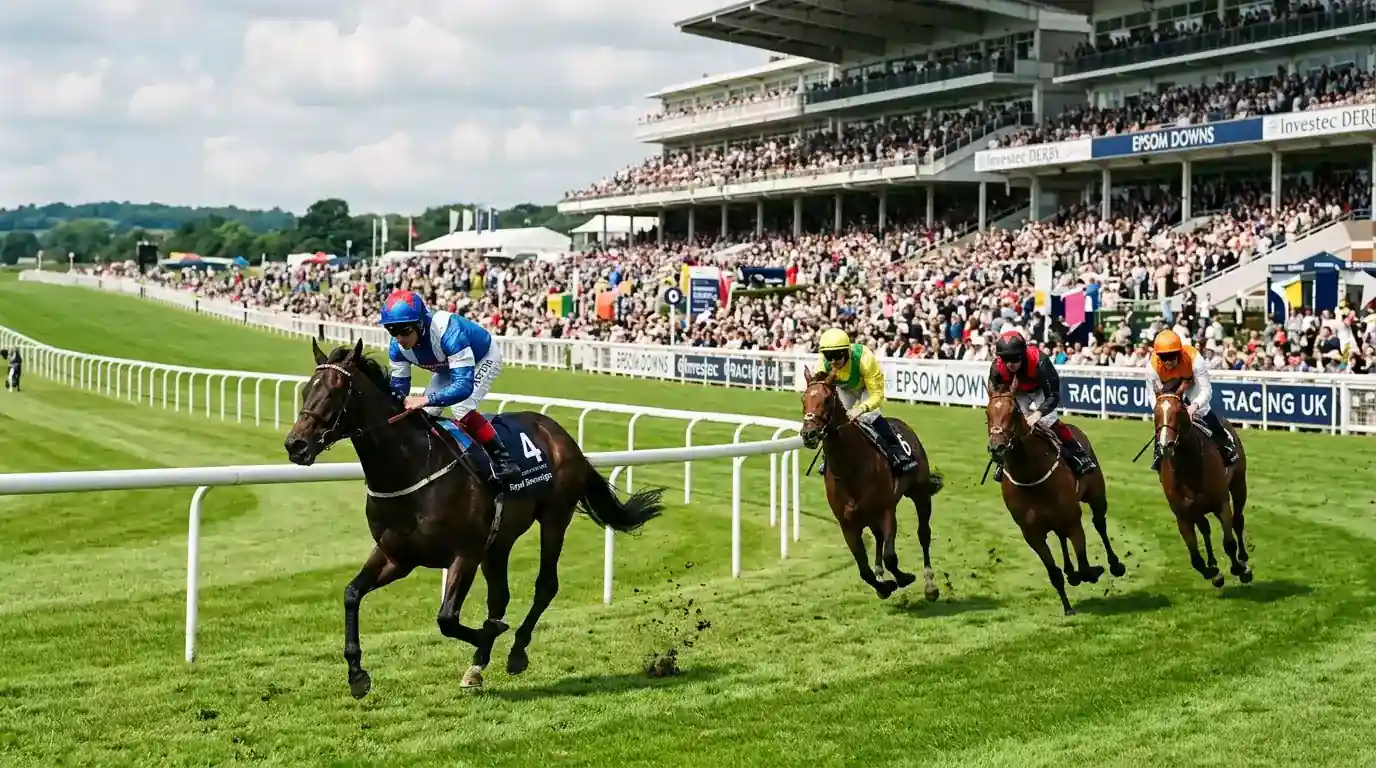
Table of Contents
- Why British Punters Search for “Show Bet” — and What They Actually Need
- What Every Punter Should Know Before Placing a Show-Style Bet in the UK
- What a Show Bet Actually Is: the North American Pari-Mutuel Model
- The UK Equivalent: Place Bets, Each-Way Bets, and Why the Terminology Diverges
- How UK Place Terms Work: Runners, Race Type, and the Fractions That Set Your Payout
- Each-Way Mechanics in 90 Seconds: Win Part, Place Part, and the Maths in Between
- Fixed Odds, Tote Pools, and Exchanges: Where Place Bets Live in the UK Market
- The £767 Million Question: UK Horse Racing Betting in Numbers
- When to Bet Each Way Instead of Win Only: a Data-Led Framework
- Affordability Checks and the Future of Place Betting in Britain
- Frequently Asked Questions About Show Bets and UK Place Betting
Why British Punters Search for “Show Bet” — and What They Actually Need
I get this question at least twice a week. Someone watches a Kentucky Derby replay, reads an American handicapping blog, or stumbles into a US racing forum and comes away convinced they need to place a “show bet” at their local bookmaker. They type it into Google. They land on a page that half-explains the concept, mixes up US pool mechanics with UK fixed-odds markets, and leaves them more confused than when they started. Nine years of analysing place-market mechanics have taught me one thing above all: the terminology gap between American and British racing is not a minor footnote. It is the single biggest source of beginner mistakes in horse racing betting.
Here is the uncomfortable truth. A show bet, in the North American sense, does not exist in the United Kingdom. There is no separate “show” pool at Ascot, no show ticket at Cheltenham, no show payout grid on a British Tote screen. The concept was born inside the US pari-mutuel system, where every pound wagered goes into a communal pool and the track takes its cut before dividing the remainder among winners. British racing runs on a fundamentally different engine, fixed odds declared by bookmakers, and the closest equivalents to a show bet are place bets and each-way bets, both of which operate under rules that would baffle an American horseplayer on first encounter.
Show bet (US definition): a wager on a horse to finish in the top three. Payouts are determined by the pari-mutuel pool after the track’s takeout. This bet type does not exist as a standalone market product in the UK, where place bets cover a variable number of finishing positions (typically two, three, or four) set by the bookmaker’s place terms.
That distinction matters because it changes everything: how your payout is calculated, how many horses need to beat yours before you lose, and which strategies genuinely extract value from the market. Remote horse racing betting in the UK generated a gross gambling yield of 766.7 million pounds in the year to March 2025, per the UK Gambling Commission, yet only around four per cent of British adults placed a racing bet in a typical month during that same period. The market is large in money terms but narrow in participation, which means the punters who do engage tend to be serious. They deserve accurate information, not recycled American terminology dressed up in a British wrapper.
This guide strips the confusion out. I will walk you through what a show bet actually is in its native US context, explain exactly what UK punters use instead, map out the place terms that determine your payout, break down each-way mechanics with real numbers, and then hand you a data-led framework for deciding when a place-style bet makes strategic sense. Every claim is backed by current industry data, not by hunches or outdated blog posts. If you have ever searched for “show bet” and felt lost, you are in the right place. Quite literally.
What Every Punter Should Know Before Placing a Show-Style Bet in the UK
- Show bets do not exist in UK racing. British punters use place bets and each-way bets, both priced on fixed odds rather than American pari-mutuel pools.
- Each-way bets cost double the unit stake (one part on win, one part on place) and dominate UK wagering: 75 per cent of Grand National bets are each way.
- Place terms vary by field size and race type, from two places in a five-runner field to four places in a 16+ runner handicap. The fraction (1/4 or 1/5 of win odds) directly shapes your return.
- UK remote horse racing betting generated 766.7 million pounds in gross gambling yield in 2024-25, but underlying turnover has fallen 12.8 per cent since 2023.
- Each-way value concentrates on longer-priced horses in large-field handicaps; short-priced favourites rarely justify the doubled stake.
What a Show Bet Actually Is: the North American Pari-Mutuel Model
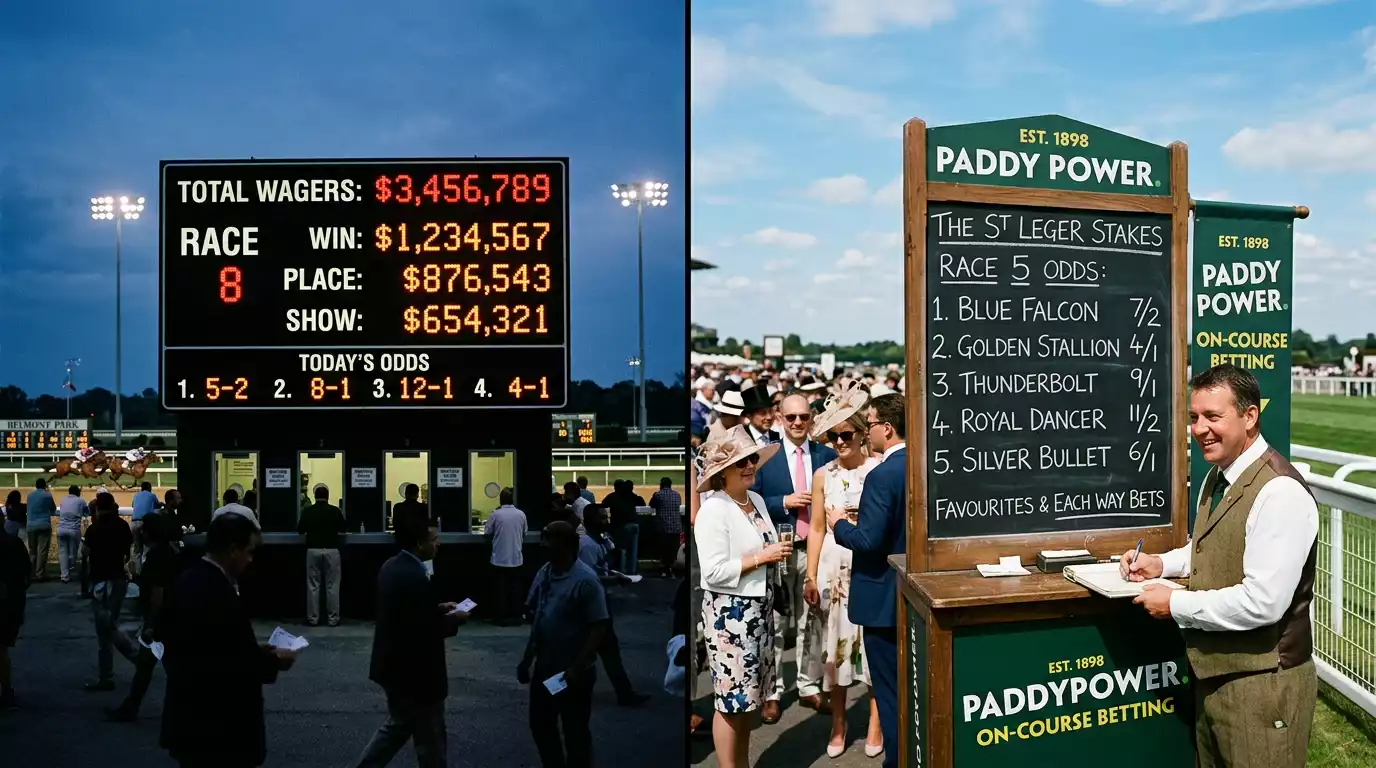
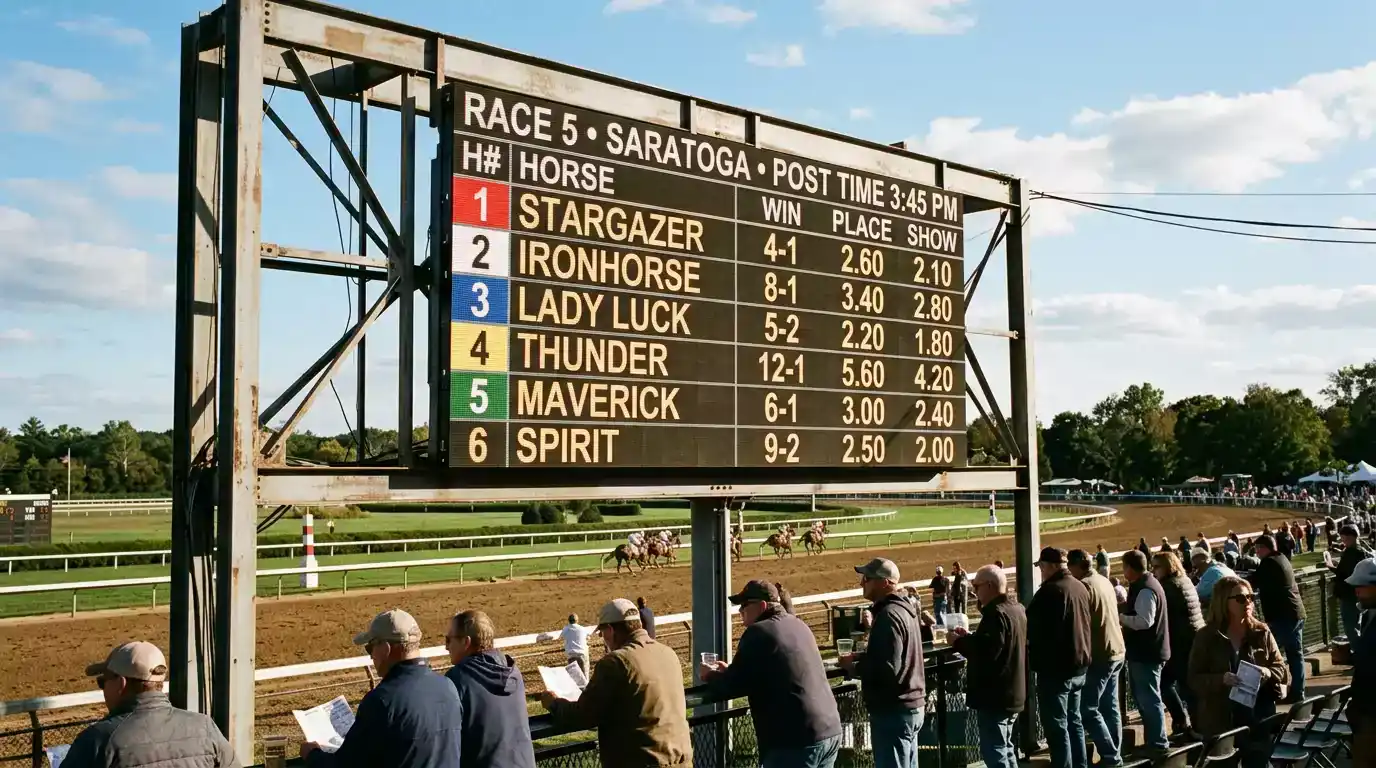
Picture a racetrack in Louisville. Thousands of people queue at betting windows, each feeding cash into a machine. None of them is betting against a bookmaker. They are betting against each other. Every pound goes into a shared pool, a pot that grows with every ticket sold. The track skims its percentage off the top (a “takeout” that typically runs around 18 to 20 per cent on show pools), and whatever remains gets divided among the holders of winning tickets. That is the pari-mutuel system, and it is the only legal framework for on-track horse race betting in the United States.
Within that framework, punters choose from three straight bets. A win bet pays only if the horse finishes first. A place bet pays if it finishes first or second. A show bet, the loosest safety net available, pays if the horse crosses the line in the top three. The lower the barrier, the lower the payout: show returns are almost always the smallest of the three because more people qualify for a share of the pool. When a heavy favourite runs in a show pool, the crowd piles in, the pool barely stretches, and winners sometimes collect as little as a few pence on each pound wagered beyond their original stake.
| Feature | US Pari-Mutuel (Show Bet) | UK Fixed Odds (Place Bet) |
|---|---|---|
| Odds determined by | Pool size after takeout | Bookmaker’s declared price |
| Payout known before race? | No: final dividend declared post-race | Yes: price locked at bet placement |
| How many places paid? | Always top 3 | Varies: 2, 3, or 4+ depending on field size and race type |
| Takeout / margin | ~18-20% track takeout on show pools | Bookmaker overround embedded in odds |
| Market share | Dominant on-track in US | Pari-mutuel (Tote) ~5% of UK turnover; fixed odds dominate |
The comparison table above highlights the structural divide. In the US, you hand your money over and hope the pool arithmetic works in your favour. You do not know your exact return until the race is settled and the pool is divided. In the UK, the price on the screen is the price you get, barring Rule 4 deductions for late withdrawals or dead-heat reductions, neither of which changes the fundamental mechanism.
US show bet payout example
Suppose 500,000 pounds flows into a show pool. The track takes 19%, which is 95,000 pounds removed. The remaining 405,000 pounds is split among the backers of the three horses that finish in the top three, weighted by how much was wagered on each. If 200,000 pounds was bet on the winning favourite, those ticket-holders share a relatively thin slice. If only 30,000 pounds was bet on the third-place finisher at long odds, those ticket-holders collect a far larger dividend per pound staked. The favourite’s show return might be 2.20 pounds on a 2-pound ticket. The longshot in third might pay 14.60 pounds. Same pool, wildly different outcomes.
This pool-driven uncertainty is precisely what makes show betting alien to the British system. A UK punter who backs a horse at 10/1 each way knows, at the moment the bet is struck, exactly what the place part will return: the stake multiplied by the place fraction of those odds. No waiting for the pool to settle, no dependency on how many other people backed the same horse. The pari-mutuel model accounts for roughly five per cent of total UK horse racing turnover through the Tote, while fixed-odds betting with licensed bookmakers commands the rest. Understanding that split is the first step toward making sense of how “show” translates (or fails to translate) into British racing language.
If show bets belong to the American pool, what do British punters actually use when they want to back a horse without needing it to win outright?
The UK Equivalent: Place Bets, Each-Way Bets, and Why the Terminology Diverges
A few years back I sat next to an American visitor at Aintree on Grand National day. He wanted to back a 25/1 shot “to show.” The on-course bookmaker stared at him blankly. I stepped in and explained that what he needed was an each-way bet, and that his horse would need to finish in the top four, not the top three, because of the size of the field. He placed the bet, the horse ran fifth, and he lost. But at least he lost for the right reasons, not because of a terminology misfire.
British racing offers two distinct ways to back a horse without requiring an outright win: the place bet and the each-way bet. They overlap, but they are not the same thing, and confusing them costs real money.
Place bet: a standalone wager on a horse to finish within the designated place positions. The number of places paid (two, three, or four) depends on the number of runners and the race type. You back the horse for a place only; there is no win component.
Each-way bet: a two-part wager consisting of equal stakes on the same horse: one stake on the win, one stake on the place. If the horse wins, both parts pay. If it finishes in the places but does not win, only the place part pays. The place payout is calculated at a fraction of the win odds, typically one quarter or one fifth, depending on the race.
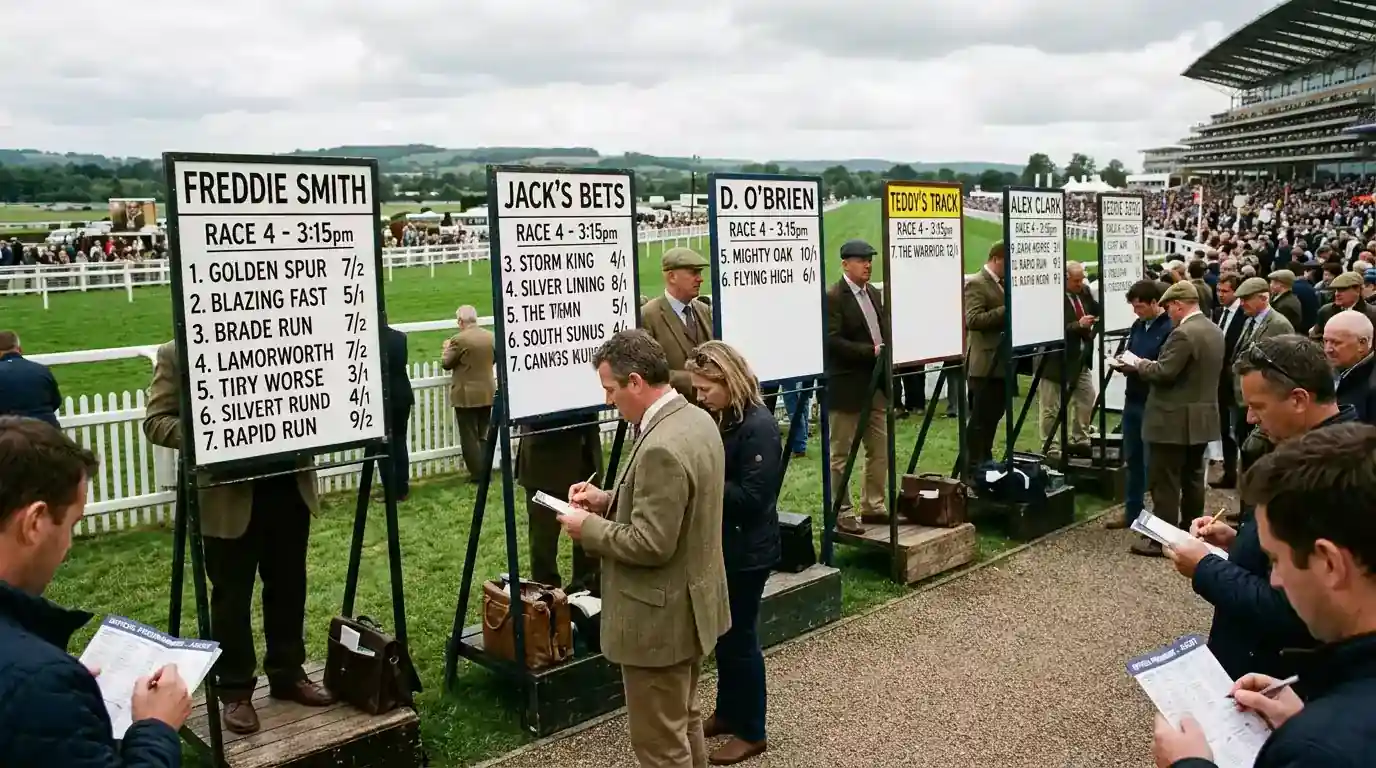
The each-way bet is the workhorse of British racing wagering. Simon Clare, PR Director at Entain UK, has described how National Hunt racing thrives on equine stars like Constitution Hill and Galopin Des Champs, household names that draw casual punters toward each-way bets on big days. On Grand National day alone, roughly 75 per cent of all bets placed are each way, according to grandnational.org.uk. That figure tells you everything about the UK punter’s instinct: when the field is large and the outcome uncertain, splitting the risk between win and place feels like common sense.
So why did Britain never adopt the “show bet” label? The answer is structural. American racing locks the number of show positions at three because the pari-mutuel pool requires a fixed formula to divide the money. British bookmakers, operating on fixed odds, have the flexibility to adjust how many places they pay depending on the race conditions. A five-runner Group 1 at Ascot might pay only two places. A 20-runner handicap at the Cheltenham Festival might pay four. That variability makes a rigid “top three” label meaningless in the UK context.
There is also a cultural dimension. British punters have been using each-way terminology since the early days of licensed bookmaking. The phrase is embedded in racecards, betting slips, and on-course conversations. Each-way betting is not just a product. It is part of the sport’s vocabulary, as natural to a British racegoer as “going” or “form.” Asking a UK bookmaker for a show bet is a bit like walking into a London pub and ordering a “check” instead of the bill. You will eventually get what you want, but the route will involve some confusion.
Place portion: the place part of an each-way bet, settled at a declared fraction (1/4 or 1/5) of the full win odds. If a horse is priced at 12/1 and the place terms are 1/4 odds, the place portion pays at 3/1.
The practical consequence for anyone arriving at UK racing from an American background is straightforward. Forget “show.” Learn place terms, understand each-way mechanics, and recognise that the number of paid positions shifts with every race. The next two sections break down exactly how that works.
How UK Place Terms Work: Runners, Race Type, and the Fractions That Set Your Payout
The most expensive lesson I ever learned in racing cost me 47 pounds. I backed a horse each way in what I thought was a 10-runner field, only to discover two late withdrawals had trimmed it to eight, which meant the place terms dropped from four places to three. My horse finished fourth. In a 10-runner field, that would have been a place payout. In the actual eight-runner field, it was a loss. Place terms are not decoration on the betting slip. They are the contract.
| Runners | Race Type | Places Paid | Fraction of Odds |
|---|---|---|---|
| 2-4 | Any | 1 (win only) | N/A: place betting void |
| 5-7 | Any | 2 | 1/4 of win odds |
| 8-15 | Any (non-handicap) | 3 | 1/5 of win odds |
| 8-15 | Handicap | 3 | 1/4 of win odds |
| 16+ | Handicap | 4 | 1/4 of win odds |
That table is the foundation of every each-way decision you will ever make in UK racing. The logic runs in two directions simultaneously: the number of places paid increases with field size, and the fraction applied to your odds changes with race type. Both variables affect your return, and ignoring either one is a reliable way to miscalculate.
The fraction difference between 1/4 and 1/5 looks small on paper but compounds sharply in practice. Take a horse priced at 20/1. At 1/4 odds, the place portion pays 5/1, a 50-pound profit on a 10-pound place stake. At 1/5 odds, it pays 4/1, a 40-pound profit on the same stake. That is a 20 per cent gap in your place return from a single fraction shift. Scale it across a full season of each-way betting and the difference between backing horses in handicaps (1/4 terms) versus non-handicaps (1/5 terms) becomes substantial.
Place return at 1/4 vs 1/5: a side-by-side calculation
Horse: 20/1 in a 12-runner race. Stake: 10 pounds each way (total outlay: 20 pounds). Horse finishes third.
If the race is a handicap (1/4 odds): Place odds = 20 divided by 4 = 5/1. Place return = (10 x 5) + 10 stake back = 60 pounds. Net profit = 60 – 20 total outlay = 40 pounds.
If the race is a non-handicap (1/5 odds): Place odds = 20 divided by 5 = 4/1. Place return = (10 x 4) + 10 stake back = 50 pounds. Net profit = 50 – 20 total outlay = 30 pounds.
Same horse, same finishing position, same starting price. The handicap pays you 10 pounds more, a 33 per cent premium, purely because the fraction is more generous.
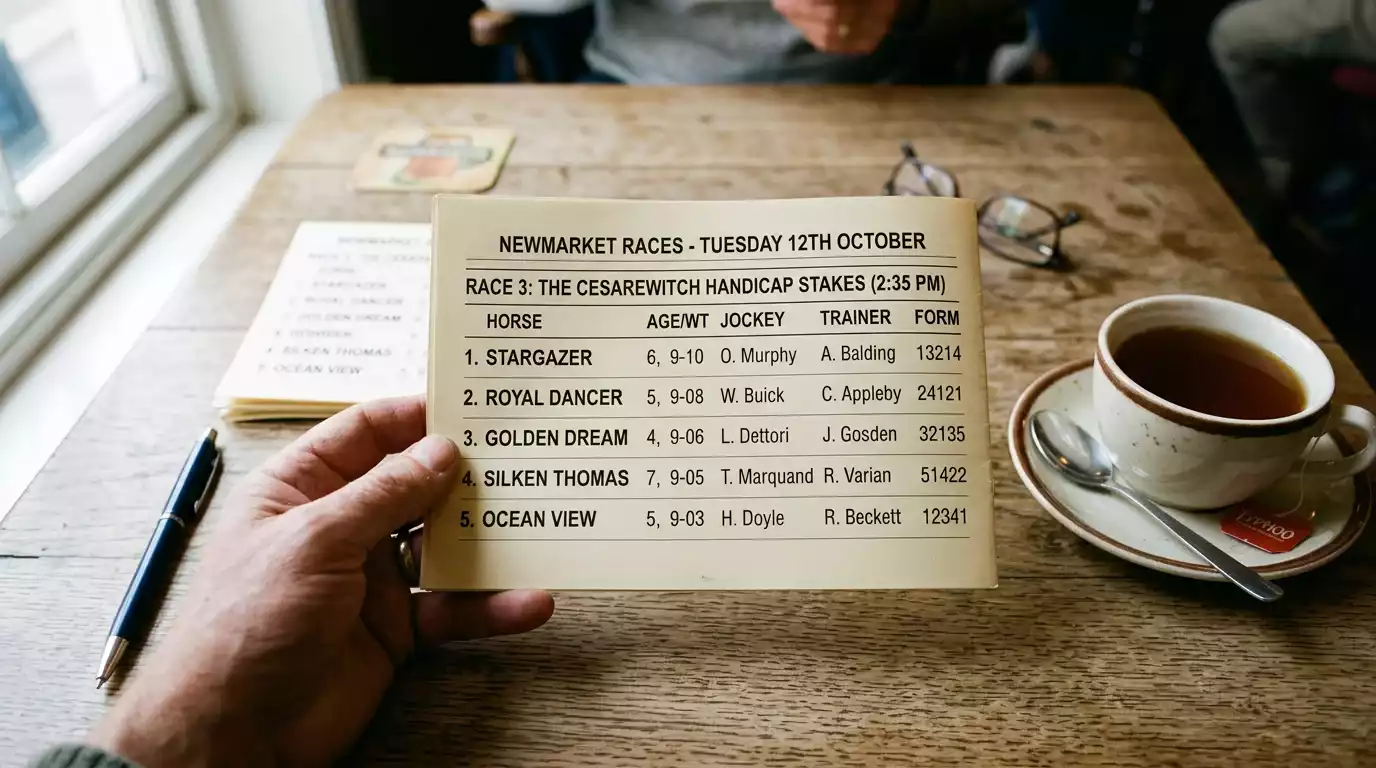
Favourites in British racing win approximately 30 to 35 per cent of all races, according to industry analysis from Matchbook. That means roughly two thirds of races are won by horses at bigger prices, which is where place terms become strategically interesting. A horse drifting to 14/1 in a 16-runner handicap gets four paid places at 1/4 odds: the place portion alone pays 3.5/1. If that horse has a genuine top-four chance, the place part of an each-way bet can carry positive expected value even when the win probability is slim.
ShowStake Pool Payout Simulator
See the mechanic a US show bet actually runs on, and how the UK’s own Tote place pool works the same way — before you decide whether fixed odds or a pool suits your bet.
A show pool always pays the top 3. The net pool splits into three equal shares, one per finishing position, then each share divides among that horse’s own backers.
The Tote’s own Place pool works on the same principle as a US show pool, just with however many places the race pays (2, 3 or 4) instead of a fixed top 3.
Pool deductions in UK/US racing typically run 13-28% depending on bet type and jurisdiction. The same pool, at different takeout rates, leaves very different amounts for winners.
For a full breakdown of UK place terms across every field size and race category — including festival-specific variations at Cheltenham, Royal Ascot, and the Grand National — the dedicated reference covers every edge case. What matters here is the principle: place terms are not fixed, they are not universal, and they should be the first thing you check before placing any each-way bet.
Each-Way Mechanics in 90 Seconds: Win Part, Place Part, and the Maths in Between
Data from Entain shows that 82 per cent of cash wagers on the Grand National are five pounds or less, and fewer than one per cent exceed 20 pounds. The each-way bet is overwhelmingly a small-stakes format, the everyday punter’s tool for turning a fiver into a day’s entertainment.
An each-way bet is two bets in one. You pay double the stake because you are placing two separate wagers on the same horse: one to win, one to place. When I explain this at racecourses, I tell people to think of it as buying two tickets to the same show: one for the front row (the win) and one for the balcony (the place). If the star performer delivers, both tickets pay out. If the show is decent but not spectacular, only the balcony seat collects.
The mechanics break down into three outcomes.
Outcome one: the horse wins. Both parts pay. You collect the full win odds on your win stake, plus the place fraction of those odds on your place stake, plus both stakes returned. This is the best-case scenario and the reason each-way can sometimes outperform a straight win bet in pure profit terms, because the place portion adds a bonus on top.
Outcome two: the horse places but does not win. The win stake is lost. You collect the place fraction of the win odds on your place stake, plus the place stake returned. This is where the each-way bet earns its reputation as a safety net. Your total return will be less than your combined outlay if the odds are short, but on longer-priced horses, the place part alone can deliver a healthy profit.
Outcome three: the horse finishes outside the places. Both stakes are lost. You lose the full outlay, double the unit stake.
Step-by-step each-way return: a horse at 10/1 in a 12-runner handicap
Place terms: 3 places, 1/4 of win odds.
Stake: 10 pounds each way. Total outlay: 20 pounds.
If the horse wins:
Win part: 10 x 10/1 = 100 profit + 10 stake = 110.
Place part: 10/1 at 1/4 = 2.5/1. So 10 x 2.5 = 25 profit + 10 stake = 35.
Total return: 110 + 35 = 145. Net profit: 145 – 20 outlay = 125 pounds.
If the horse finishes second or third:
Win part: lost. Return = 0.
Place part: 10 x 2.5/1 = 25 profit + 10 stake = 35.
Total return: 35. Net profit: 35 – 20 outlay = 15 pounds.
If the horse finishes fourth or worse:
Both parts lost. Return = 0. Net loss: 20 pounds.
Notice what happens in that middle scenario. The horse does not win, but you still walk away with 15 pounds in profit from a 20-pound outlay. On a straight 10-pound win bet at 10/1, that same finishing position returns zero. The each-way structure converts a near-miss into a cashable result — and it is precisely this conversion that separates the UK system from the American show bet, where pool mechanics rather than fixed fractions determine the payout.
One trap catches new punters constantly: forgetting that each way means double the stake. A “10 pounds each way” bet costs 20 pounds, not 10. I have seen people place what they think is a cautious each-way bet on three races, only to realise at the end of the afternoon that their total outlay was twice what they budgeted. Always multiply by two before you commit.
Fixed Odds, Tote Pools, and Exchanges: Where Place Bets Live in the UK Market
Most guides treat UK horse racing betting as a single product. It is not. Three entirely different ecosystems offer place-market access, each with its own pricing mechanism, its own advantages, and its own quirks. I have used all three extensively, and the choice between them is not trivial. It changes what you are paid, when you know the price, and whether you are betting against a bookmaker, a pool of strangers, or another punter sitting across a matching engine.
| Feature | Fixed Odds (Bookmaker) | Tote (Pari-Mutuel Pool) | Exchange (Peer-to-Peer) |
|---|---|---|---|
| Price determination | Set by bookmaker; locked at bet placement | Pool-driven; final dividend declared post-race | Set by users; matched between backers and layers |
| Place terms | Declared per race (2, 3, or 4 places; 1/4 or 1/5 fraction) | Varies by pool type; Tote Place typically mirrors standard terms | Number of places declared by exchange per race |
| Margin structure | Overround embedded in odds | Pool deduction (typically 13-28% depending on bet type) | Commission on net winnings (usually 2-5%) |
| Price transparency | You see the price; bookmaker’s margin is implied | Indicative dividend only; final price unknown until settlement | Full order book visible; you see back and lay prices |
| UK market share | ~95% of turnover | ~5% of turnover | Significant but concentrated on major meetings |
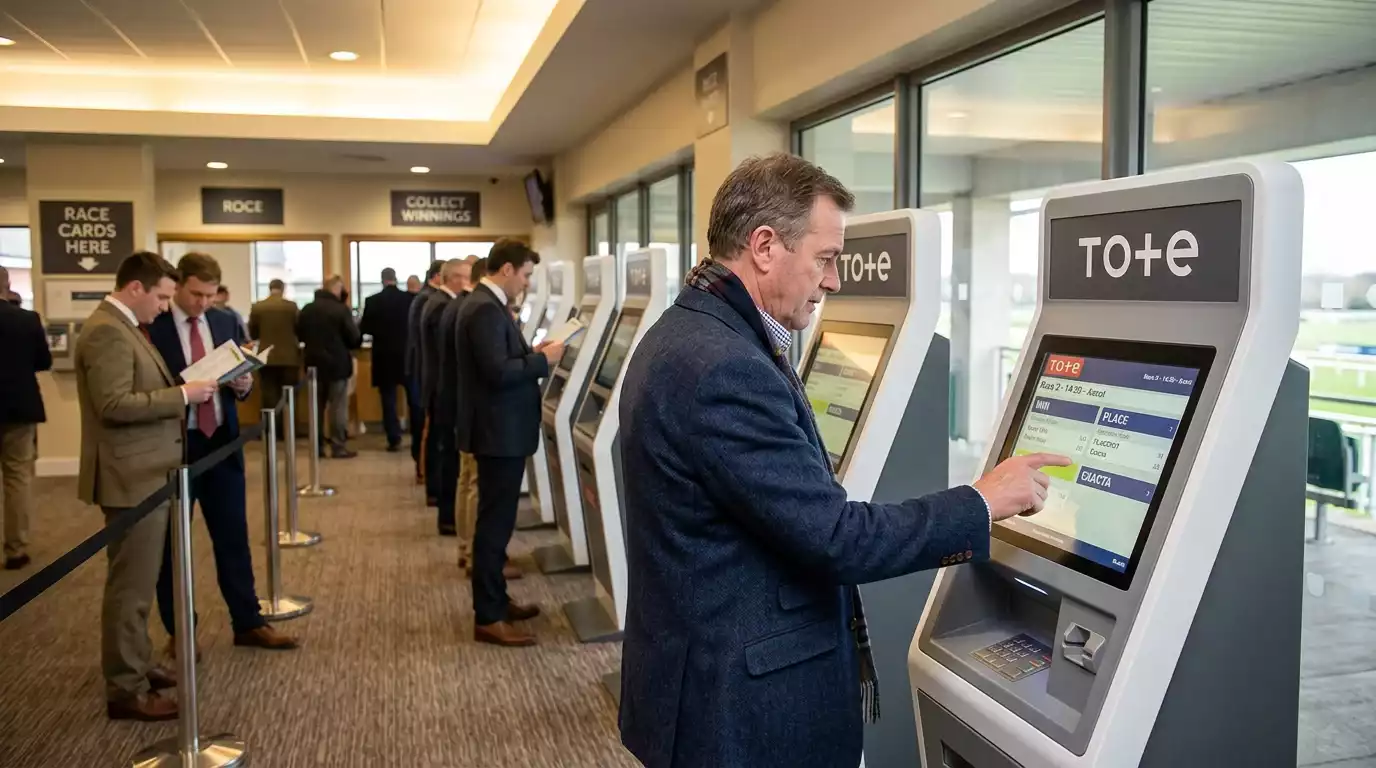
Fixed odds dominate British racing for one reason: certainty. When you take 8/1 each way with a bookmaker, that price is yours regardless of what happens in the market between bet placement and the off. The bookmaker absorbs the risk of price movements. For place bets and each-way wagers, this certainty is especially valuable because the place fraction is applied to the locked-in win price. No post-race surprises, no pool arithmetic, no dependency on how many other punters backed the same horse.
Tote pools work on the same pari-mutuel principle as the American show bet: money in, takeout deducted, remainder divided among winners. The UK Tote offers a Place pool alongside its Win, Exacta, and multi-race pools like the Placepot. Pool dividends occasionally outpace fixed-odds returns, especially in races where a less-fancied horse places and the pool was lightly loaded on that outcome. But the Tote’s share of overall racing turnover remains a sliver of the fixed-odds market. For most punters, pool betting is a supplement, not a replacement.
Exchange place markets offer something neither bookmakers nor pools provide: the ability to lay a horse for a place, effectively betting that it will finish outside the frame. Liquidity in exchange place markets varies enormously. A Saturday afternoon Group 1 at Newmarket will have a deep order book; a Tuesday evening maiden at Wolverhampton will not. Exchange commission rates, typically two to five per cent on net profit, tend to be lower than the bookmaker overround, but the trade-off is that you need a willing counterparty on the other side of your bet. Thin markets mean wider spreads and the risk of unmatched bets.
The vast majority of British racing turnover flows through fixed-odds channels, with the Tote and exchanges sharing the remainder. Understanding where your place bet sits within this ecosystem — whether you are paying a bookmaker’s margin, sharing a pool, or negotiating with another punter. That is not academic. It determines the price you get, the edge you face, and ultimately the long-term return on your each-way strategy. For a deeper look at every bet type available in UK racing, including forecasts, tricasts, and tote specialities, the full reference covers the lot.
The £767 Million Question: UK Horse Racing Betting in Numbers
Horse racing is the second-largest remote betting segment in Britain behind football, which commands 1.3 billion pounds in GGY. Yet racing’s share of total remote betting has been under pressure for years, squeezed by the growth of football accumulators and in-play markets.
That 766.7 million pound GGY headline sounds robust. Dig one layer deeper and the picture shifts. I have spent the past two years tracking quarterly BHA reports, Gambling Commission datasets, and HBLB filings, and the trend underneath the GGY surface is uncomfortable. The total wagering volume, the raw amount staked before margins are extracted, has been falling steadily. BHA data shows racing turnover dropped nine per cent in the first quarter of 2025 compared with the same period a year earlier, and when you extend the lens further, the annualised turnover for the first nine months of 2025 was down 12.8 per cent against 2023. Since 2022, the market has lost roughly three billion pounds in real terms. Racing journalist Chris Cook, writing in the Racing Post, has summed up the mood bluntly: the sport is becoming less attractive to bookmakers, and the long-running uncertainty over affordability regulation has made the problem worse.
How does a market shrink in volume while GGY remains relatively stable? The answer lies in bookmaker margins. Gross gambling yield is the difference between what punters stake and what they win back. If bookmakers tighten their prices, offer fewer promotional concessions, or see more one-sided results (where favourites lose), GGY can hold even as total turnover declines. HBLB senior analyst Said Delmonte noted that February and March 2025 produced bookmaker gross profits well above recent norms, partly thanks to particularly bookmaker-friendly outcomes at the Cheltenham Festival. In other words, punters lost more per pound staked, which propped up the yield figure even as fewer pounds were staked in the first place.
Not every indicator points downward. Racecourse attendance hit 5.031 million in 2025, a rise of 4.8 per cent on the previous year and the first time the figure has topped five million since before the pandemic. British racing prize money reached a record 194.7 million pounds in the same year, according to the Racecourse Association. The HBLB collected a record 109 million pounds from bookmakers in the year to March 2025 — the fourth consecutive annual increase in levy receipts and the highest yield since the levy system was reformed in 2017. People are coming through the gates, prize money is growing, and the levy pot is at an all-time high.
The turnover paradox: Attendance up, prize money up, levy up — but the raw volume of money flowing through the betting market is falling. Richard Wayman, BHA Director of Racing, has attributed the decline primarily to the chilling effect of affordability checks, which he says push punters either to stop betting entirely or to move to unlicensed operators. The gap between a healthy-looking GGY headline and a shrinking turnover base is the single most important tension in British racing economics right now.
For place-market punters, the turnover decline has a direct consequence. Smaller pools of money flowing through the market mean bookmakers have less incentive to offer generous place terms or extra-place promotions as customer acquisition tools. When the pie shrinks, the slices get thinner. Average turnover per race on core fixtures fell 14.4 per cent year on year in Q1 2025, per BHA data, while premier fixtures held steady — suggesting that the decline is concentrated at the lower end of the racing calendar, where margins are already tightest and each-way value hardest to find. If you are betting each way on a Tuesday afternoon at a minor meeting, the market environment is measurably less favourable than it was three years ago.
When to Bet Each Way Instead of Win Only: a Data-Led Framework
I used to bet each way on everything. Every horse, every race, every Saturday afternoon. It felt safe. It was not. My end-of-year review showed I was bleeding money on short-priced each-way bets where the place return barely covered half the total outlay. The safety net had become a trap. That review forced me to build a framework, and the framework starts with one question: does the place part of this bet carry enough value on its own to justify the extra stake?
Remember the favourite win rate discussed earlier — roughly a third of UK races go to the market leader, which means two thirds are won by horses at bigger prices. Odds-on favourites at 1.25 or shorter convert at around 86 per cent. Those numbers tell you something crucial about each-way betting: if a horse is a strong favourite, the place part of an each-way bet is almost dead money. A 2/1 shot in a 10-runner race has a high probability of placing, but the place return at 1/4 odds (that is 1/2, or evens) barely returns your total outlay when the horse places and does not win. You collect 20 pounds on a 10-pound place stake, but you have already lost the 10-pound win stake, netting zero profit. The each-way bet on a short-priced horse is essentially a break-even proposition in the place scenario and a modest improvement over a win-only bet when the horse wins.
Do bet each way when:
- The horse is priced at 8/1 or longer in a race with three or more paid places — the place fraction generates meaningful standalone value.
- The race is a handicap with 16+ runners, giving you four places at 1/4 odds — the widest safety net available in UK racing.
- You have identified a horse with a stronger place probability than its win odds imply — the classic each-way value scenario.
- The meeting carries extra-place promotions from bookmakers, effectively expanding the number of finishing positions that trigger a payout.
Do not bet each way when:
- The horse is odds-on or a short-priced favourite — the place return will not compensate for the doubled stake.
- The field has fewer than five runners — place betting is void, meaning your each-way bet reverts to a win-only wager at doubled cost.
- The race is a non-handicap with 8-15 runners at 1/5 odds — the thinner place fraction erodes value on mid-priced selections.
- You are chasing losses by adding the “safety” of each way to every bet on the card. That is not strategy; it is staking inflation.
The each-way bet is not a default setting. It is a conditional tool. The condition: the place part must offer positive expected value independent of the win part. If the place fraction multiplied by your assessed place probability exceeds 1.0, the each-way bet has a mathematical case. If it does not, a straight win bet — or no bet at all — is the sharper play.

The broader market context reinforces this selectivity. As overall betting turnover contracts, the races that still attract deep liquidity and competitive odds are the headline meetings: Cheltenham, Ascot, Aintree. An estimated 250 million pounds was wagered on the Grand National alone in 2025. That is where bookmakers compete hardest for punters, where extra-place promotions appear most frequently, and where the each-way structure delivers its best risk-to-reward ratio. Treat each-way as a precision instrument, not a blunt default, and the maths will work harder for you than it does for most of the crowd.
Affordability Checks and the Future of Place Betting in Britain
What the industry is warning: The BHA projects losses of 250 million pounds for British racing over five years and 900 million annually for the wider bookmaking industry if the Gambling Commission implements its proposed affordability checks regime.
No analysis of UK place betting is complete without addressing the regulatory storm that has been building since the Gambling Act review. The UK Gambling Commission has been consulting on mandatory affordability checks — financial assessments designed to verify that individual punters can afford their gambling activity. The stated goal is harm prevention. The feared consequence, across almost every corner of the racing industry, is a catastrophic drop in betting turnover that would gut levy income, slash prize money, and push a significant share of wagering activity into unregulated channels.
Affordability checks — proposed financial assessments that would require licensed bookmakers to verify a customer’s financial situation before allowing them to bet above certain thresholds. Methods range from “frictionless” credit reference agency checks (which the UKGC claims 95 per cent of assessments already pass without disruption) to enhanced due diligence involving payslips and bank statements for higher-spending customers.
The racing industry has pushed back with unusual unity. Conservative MP Nick Timothy called the situation out in direct terms: the statistics show exactly why the effects of disproportionate checks are worrying, and ministers have yet to deliver solutions. An open letter signed by more than 400 racing figures — trainers, jockeys, owners, breeders — was sent to the Secretary of State for Culture, Media and Sport, warning that the proposals would inflict lasting damage on a major British industry. BHA Director of Communications Greg Swift echoed the frustration publicly, saying the results of BHA’s “Right to Bet” survey demonstrate a clear rejection of the proposed measures by the very people who fund the sport through their bets.
That survey delivered some pointed findings. Over half of respondents said they would bet significantly less or stop betting on racing entirely if affordability checks were introduced. One in ten admitted already using unlicensed operators. Four in ten said they would consider moving to the unregulated market if new checks created friction. Those numbers align with the traffic data: unique visits to 22 unlicensed sites accepting bets on British racing surged 522 per cent between August 2021 and September 2024, according to research presented at the IFHA Council on Anti-Illegal Betting. Over the same period, traffic growth at licensed UK sites was just 49 per cent.
For place-market punters, the implications are tangible. If turnover contracts further, bookmakers will tighten margins, reduce promotional offers like extra places and Best Odds Guaranteed, and potentially narrow the range of races where each-way terms are competitive. The levy, which funds prize money and therefore the quality of the racing product itself, depends on betting volume. A smaller levy means fewer races worth watching and fewer fields worth betting on — a feedback loop that diminishes the very market this guide exists to help you navigate. The debate is far from settled, and its outcome will shape the economics of every each-way bet placed in Britain for years to come.
Frequently Asked Questions About Show Bets and UK Place Betting
What is a show bet in horse racing and does it exist in the UK?
A show bet is a North American wager on a horse to finish in the top three of a race. It operates within the US pari-mutuel system, where all bets go into a shared pool, the track takes its percentage, and the remainder is divided among winning ticket holders. This bet type does not exist as a standalone product in the UK. British bookmakers do not offer a “show” market. Instead, UK punters use place bets and each-way bets to achieve a similar outcome — backing a horse to finish within a set number of positions — but the mechanics, pricing, and number of paid places differ fundamentally from the American model.
How does an each-way bet work as the UK equivalent of a show bet?
An each-way bet consists of two equal stakes on the same horse: one on the win and one on the place. If the horse wins, both parts pay out. If it finishes in the designated place positions but does not win, only the place part pays — at a fraction (typically 1/4 or 1/5) of the win odds. Unlike a US show bet, the number of paid positions is not fixed at three; it varies between two and four depending on the number of runners and the race type. The each-way bet is the closest UK equivalent to the show bet, but it includes a win component that the American show bet does not.
How many places are paid in UK horse racing and what determines the number?
The number of places paid depends on two factors: the size of the field and the race type. Races with two to four runners pay win only — no place market exists. Five to seven runners typically pay two places. Eight to fifteen runners pay three places. Handicap races with 16 or more runners pay four places. The fraction applied to the odds also varies: handicaps generally offer 1/4 of win odds on the place part, while non-handicaps with 8-15 runners typically offer 1/5. Bookmakers may also run extra-place promotions on selected races, temporarily expanding the number of paid positions beyond the standard terms.
How do you calculate each-way returns on a horse racing bet?
Start with the total outlay: your unit stake multiplied by two (one for win, one for place). If the horse wins, calculate the win return (stake times win odds plus stake back) and the place return (stake times the place fraction of win odds plus stake back), then add both together. If the horse places but does not win, only the place calculation applies. For example, a 10-pound each-way bet at 12/1 with 1/4 place terms costs 20 pounds total. If the horse wins: win part returns 130 pounds (10 times 12 plus 10), place part returns 40 pounds (10 times 3 plus 10), total 170 pounds. If it places only: 40 pounds returned, giving a net profit of 20 pounds on the 20-pound outlay.
What is the difference between place terms of 1/4 and 1/5 odds?
The fraction determines what proportion of the win odds is applied to the place part of your each-way bet. At 1/4 odds, a horse priced at 20/1 pays 5/1 on the place. At 1/5 odds, the same horse pays 4/1 on the place. That gap — 20 per cent less return on the 1/5 fraction — compounds over multiple bets. Handicap races generally offer 1/4 terms, while non-handicap races with 8-15 runners typically apply 1/5. Knowing which fraction applies before you place the bet is essential, because it directly affects whether the place part carries enough value to justify the doubled each-way stake.
When should you bet each way instead of win only?
Each-way betting makes the strongest case when three conditions align: the horse is priced at 8/1 or longer, the race offers three or more paid places, and you believe the horse has a genuine place probability that exceeds the implied place odds. In large-field handicaps with 16+ runners at 1/4 terms, the place fraction generates meaningful standalone value. Conversely, each-way bets on short-priced favourites or in small fields rarely justify the doubled stake — the place return is too thin to compensate for the lost win stake when the horse places but does not win.
What are extra places and how do bookmaker promotions affect place betting?
Extra-place promotions are offers where a bookmaker pays out on more finishing positions than the standard place terms require. A race that normally pays three places might temporarily pay four or five under an extra-place deal. These promotions effectively widen the safety net for each-way bettors and can shift the value equation significantly, particularly in competitive handicaps where the difference between third and fourth is marginal. The catch: extra places are promotional tools, typically available on selected high-profile races rather than every race on the card. Checking which meetings carry extra-place offers before you bet is a small habit that can make a material difference to your long-term returns.
Created by the ”Horse Racing Show bet” editorial team.